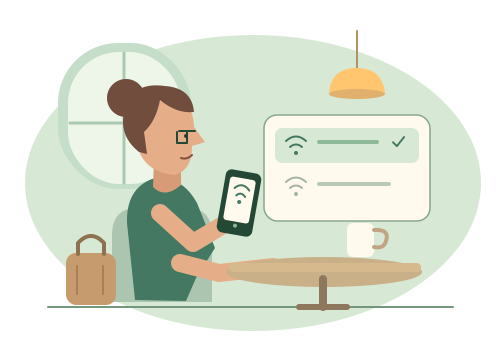
A VPN encrypts your internet traffic and routes it through a server in a location you choose. On public Wi-Fi, this means the barista's sketchy router sees encrypted noise instead of your banking session.
The two most trustworthy consumer VPNs are Mullvad ($5/month, no account required, accepts cash, audited, genuinely anonymous) and ProtonVPN (from the ProtonMail people, Swiss jurisdiction, open source, free tier available). Both have public audits proving they don't log your traffic.
Do not use free VPNs. Free VPNs make money by selling your traffic data — which defeats the entire purpose. You're not getting a VPN. You're getting a different company reading your traffic instead of the coffee shop.
Turn the VPN on automatically when connecting to any network that isn't your home network. Both Mullvad and ProtonVPN have this setting. You will forget you have it on, and that's the goal.
A VPN doesn't make you anonymous or protect you from phishing. It protects your traffic in transit on untrusted networks. That's a specific, real threat — especially on hotel Wi-Fi, airport networks, and coffee shops where you're doing anything sensitive.